An imperfect experience
In a city with no zoning laws, you’ll often find million dollar homes next to industrial warehouses next to railroad tracks.
On this particular evening, we’re nestled in a nondescript shopping center for dinner at a former washateria that’s been transformed into a nice restaurant. The building to the left of us is a now defunct auto shop. There’s a Houston Astros mural on the wall and a for lease sign outside. The building to the right houses a shady looking massage parlor and a discount dry cleaner.
None of this geography makes sense, but it’s to be expected in Houston.
We’re about to enjoy a meal we’ve heard friends raving about for months. I was so excited I couldn’t finish my lunch earlier in the day. We’ve studied the menu in advance and mentally prepared ourselves.
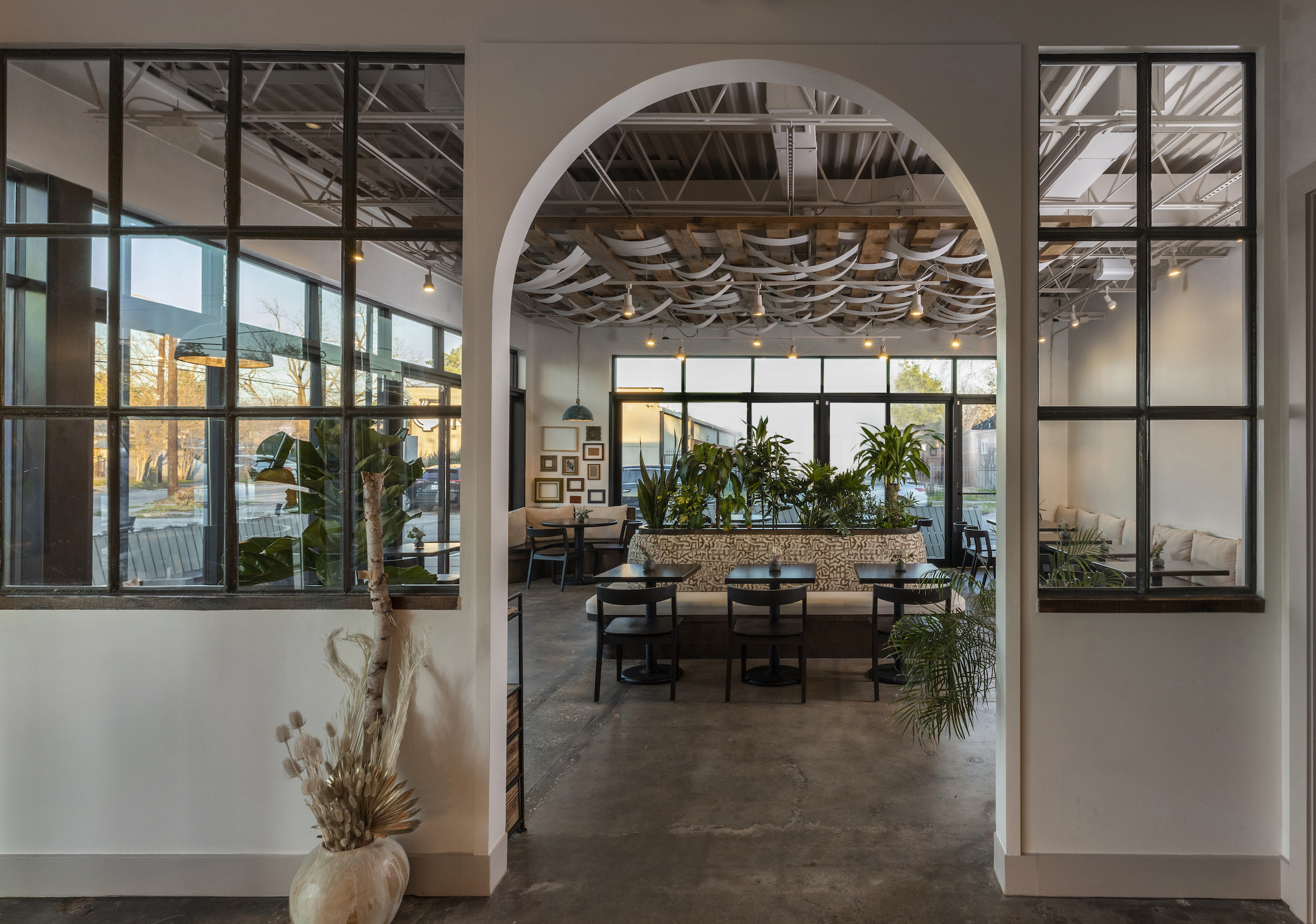 For having the origins of a washateria, the restaurant was airy and beautiful inside. Photo by Claudia Casbarian with JIA Media.
Fifteen minutes after being seated, our anticipation has turned into frustration. Aside from someone filling our waters, no one has come by.
Did they forget about us?
Is the pause intentional?
Finally, after a waiter asks if we’ve had anyone greet us yet, our waitress arrives. They drop off the menu. Our excitement jumps up again as we browse all the dishes and decide.
But it’s a lost cause. We had a poor start and the journey doesn’t get better.
The waitress takes our order and never checks on us again. We’re left flagging down random employees asking for a refill or for the check. We didn’t stay for dessert.
Our experience didn’t match our expectations. While there were some memorable dishes, unless someone invites us to join them for dinner, we’ll likely never go back again.
The perfect turn
Anytime I would ever see somebody doing the check signal [in the restaurant], that’s imperfect.
— Sean Feeney
If our experience was imperfect, what is perfect?
Recently I was listening to a podcast with Sean Feeney, who transitioned from a career in finance as a credit trader to becoming a restauranteur. Sean owns Lilia and Misi, two 3 star restaurants in Williamsburg, NY. In the podcast, Sean shares his perspective on restaurants and hospitality.
Sean’s finance background led him to naturally be obsessed with efficiency. For a restaurant, you might expect that Sean would be focused on maximizing the number of covers (restaurant speak for “guests”).
More covers = more profit, right?
But instead, Sean wanted to think carefully about the entire experience for a guest from start to finish: the hello, the experience, and the goodbye.
- The hello: when a guest first walks in, checks in with the host, and waits to get seated at the table.
- The experience: once the guest is seated, everything that happens until it’s time for dessert. This is the time where the artists, the chefs, get to do their magic.
- The goodbye: from receiving the dessert menu until the guest walks away from the table having signed their check.
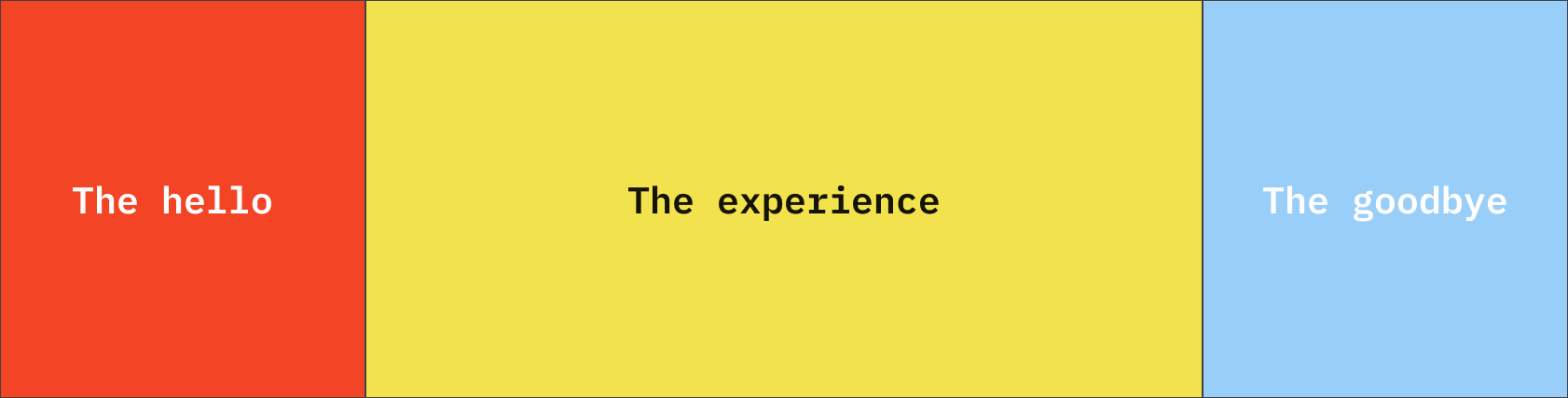 Designing for the perfect turn
He started to survey and speak with guests, and some patterns started to emerge:
- The length of the hello. How long is someone willing to wait to get seated until they start to become upset? 15 minutes
- The ideal time between sitting down and getting your first drink: 2 minutes
- The maximum amount of time between getting the menu and ordering: 15 minutes
- The length of the goodbye. How long should it be between when someone receives the dessert menu until they sign their check? 20 minutes
Sean is optimizing for what he calls “the perfect turn”. The perfect turn is where you find the balance between guest satisfaction and restaurant operations. Where you don’t compromise on the experience. Where you have a deep understanding of what people’s expectations are and can surprise them with your ability to anticipate what they need next.
By having an understanding of people’s expectations for the hello, experience, and goodbye, Sean was able to direct the staff to account for these timings. If 15 minutes was about to pass and a person hadn’t been seated yet, someone on the team would approach the guest and start talking to them.
Never should someone have to come to the host stand to ask about their status. And never should they have to ask for the check. That’s imperfect.
So much of designing an experience is trying to understand what the perfect turn needs to be like. You’ll never reach perfect, but the perfect turn is your North Star. By aiming for the perfect turn, it gets you closer to delivering an experience that delights the people you’re serving.