There’s something that’s been stuck in my head the last few months, and I can’t stop thinking about it.
It started off with a quote from an essay I read a few years ago, but has recently been on my mind.
Paul Graham, a prolific writer, entrepreneur, and investor, once wrote:
Every city whispers something.
In his essay, Cities and Ambition, Paul suggests that cities subtly communicate messages to residents about their ambitions and lifestyles.
New York whispers wealth. Silicon Valley whispers power. Cambridge whispers intellectualism — although, based on my 36 hours in Cambridge back in 2019, it seemed like people were more interested in sports than books, but I digress.
It’s what a city whispers about ambition and lifestyle that attracts and repels certain types of people. Lately, I’ve been wondering how that applies to spaces as well. The rooms and spaces you enter and how they draw you in or push you away.
Sometimes, what you get most out of an experience has nothing to do with what’s said or explicitly done, but what’s simmering in the background, subtly encouraging certain behaviors.
The idea that the space is communicating something to you is a concept I hadn’t fully appreciated before. But once you see it, it’s hard not to notice.
Chairs bolted into the floor in a classroom? We don’t want you touching the layout. Sit down.
Gym in a warehouse with dumbbells and benches? This is a place to get stronger in a no frills, focused on the essentials, setting.
Restaurant with large shared tables? We’re all family here, let’s break bread together.
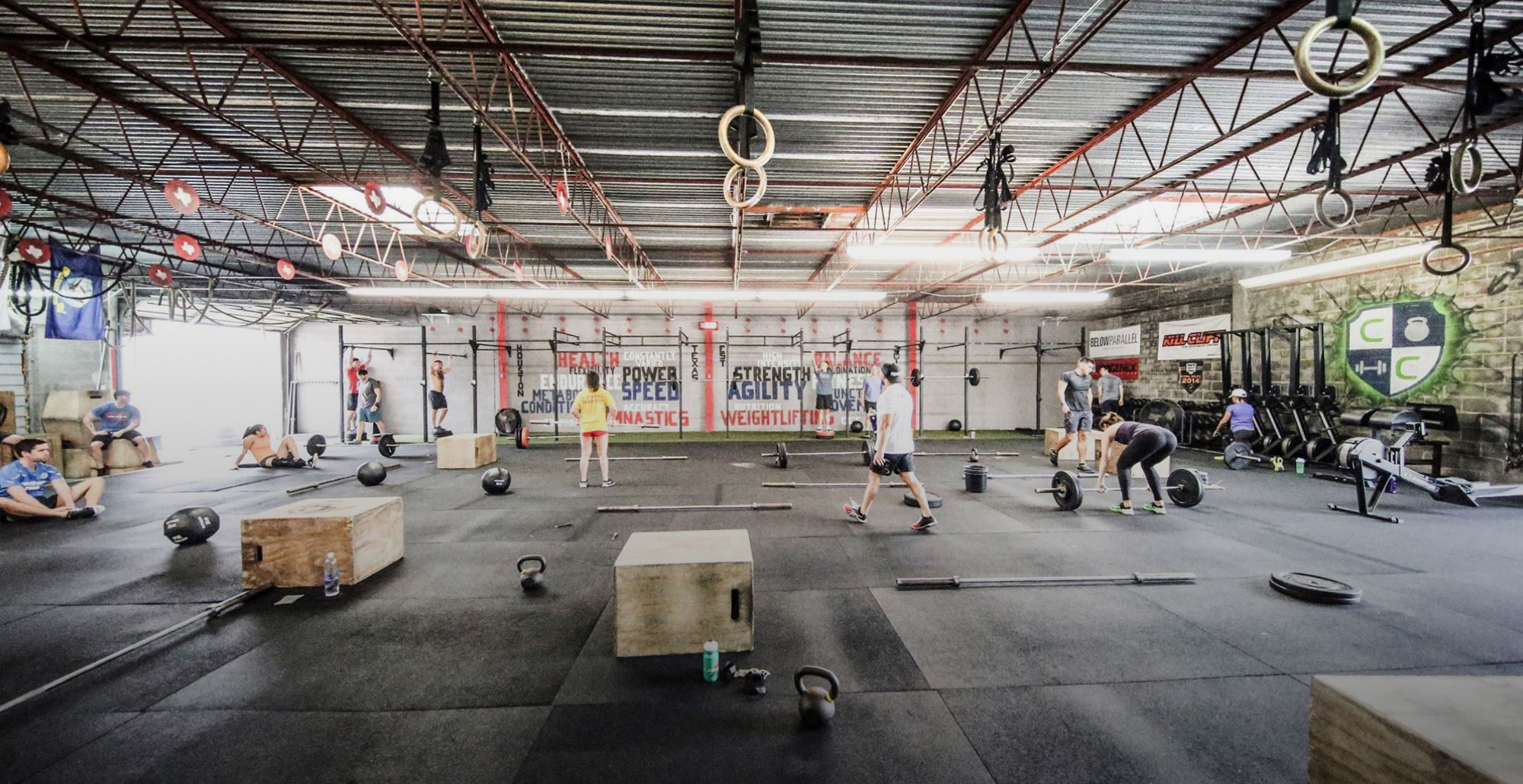 A CrossFit gym.
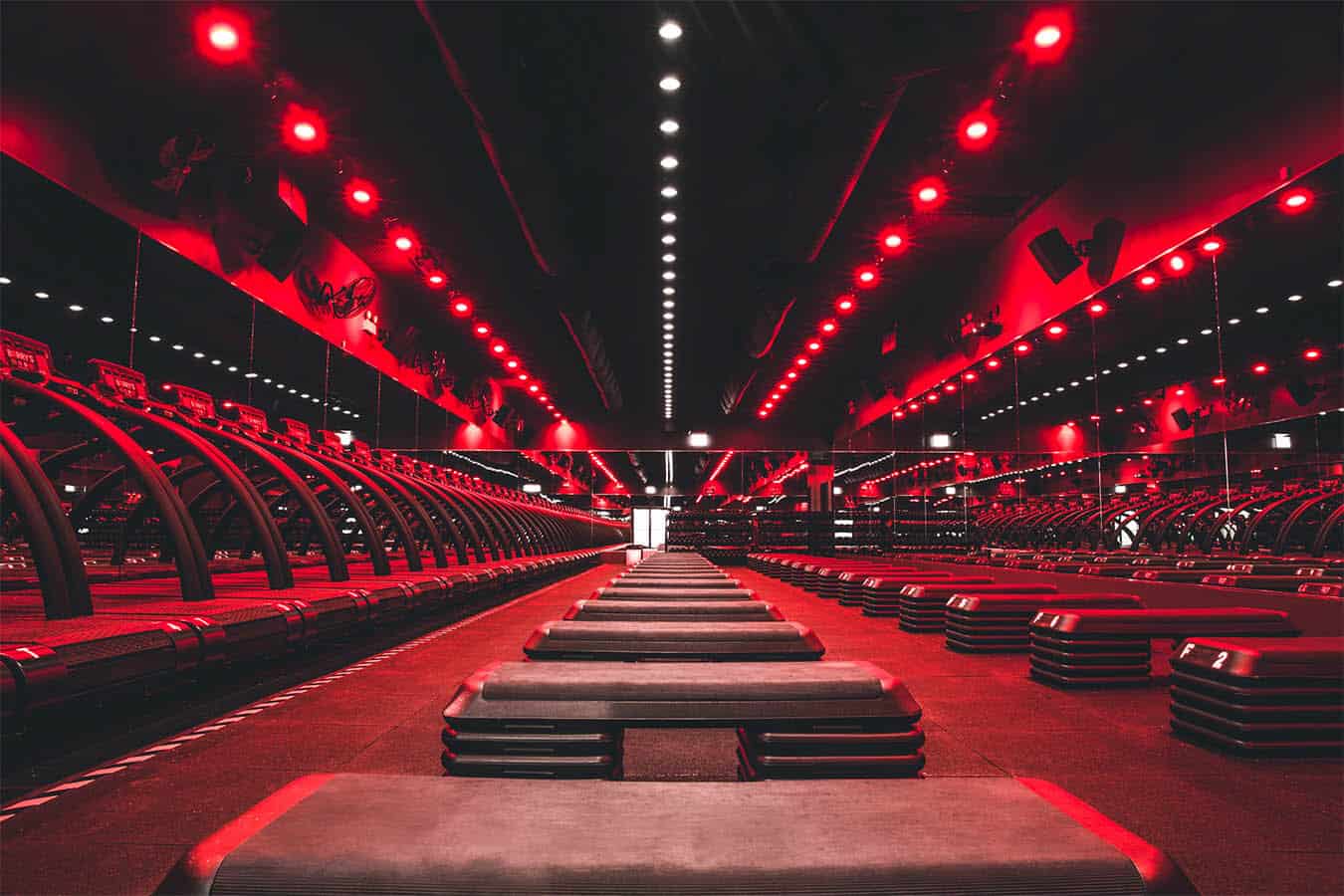 Barry’s, a HIIT workout studio.
What a space whispers can bring together like minded people. What type of person is attracted to the CrossFit gym and how is that person different from the one that goes to Barry’s? What message is being reinforced by the design of each? At the end of the day, the functional value a person gets from both is the same: a structured workout to get fit and strong.
But there are other layers to why we choose one experience over another. One person favors the dark, red room with the reserved benches and loud, pumping music. The other person might enjoy the rugged, airy, utilitarian gym space that feels more like you’re in someone’s garage working out alongside friends. Despite the shared common goal, the spaces people occupy look and feel totally different.
So the next time you walk into a new space, take a moment to pause. Look around you. See what’s not being said. You might pick up some clues on what the space is whispering to you.